
Then & Now
From Crisis to Connection
The journey of the New Orleans Regional Transit Authority is one of transformation and tenacity, from public control to private management, and ultimately back to public, local, and accountable leadership. Through every phase, one purpose has endured: serving the people of this culturally rich city with reliable, accessible transit and sound fiscal stewardship.
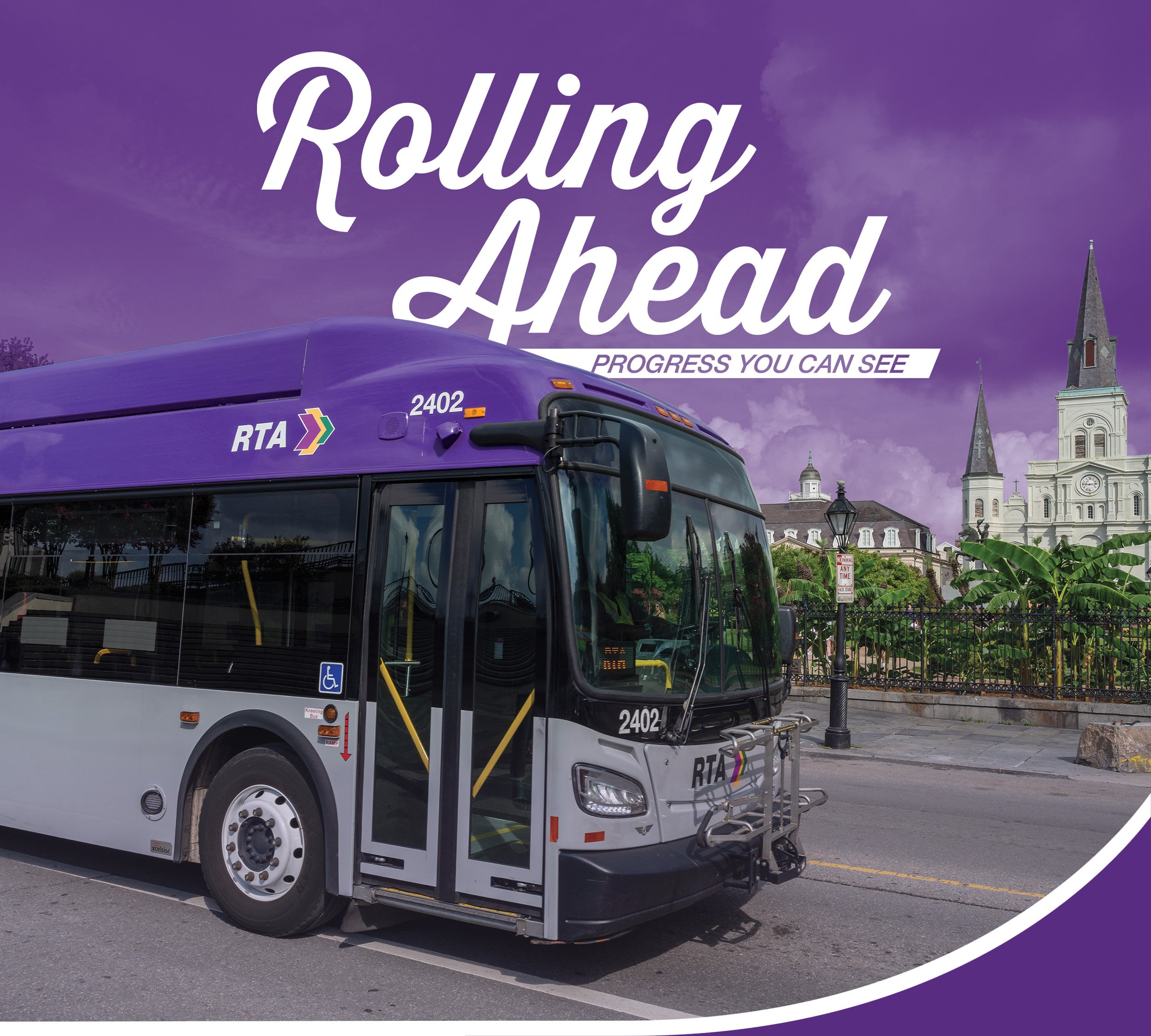
Today, the RTA stands rider-focused and future-ready, embodying the determination and effectiveness of a city committed to responsible progress. From fleet upgrades to next-gen fares to community-anchored transit hubs, this isn’t just the future of transit—it’s HOW NEW ORLEANS ROLLS.
— Lona Edwards Hankins, CEO
Past
PRE KATRINA
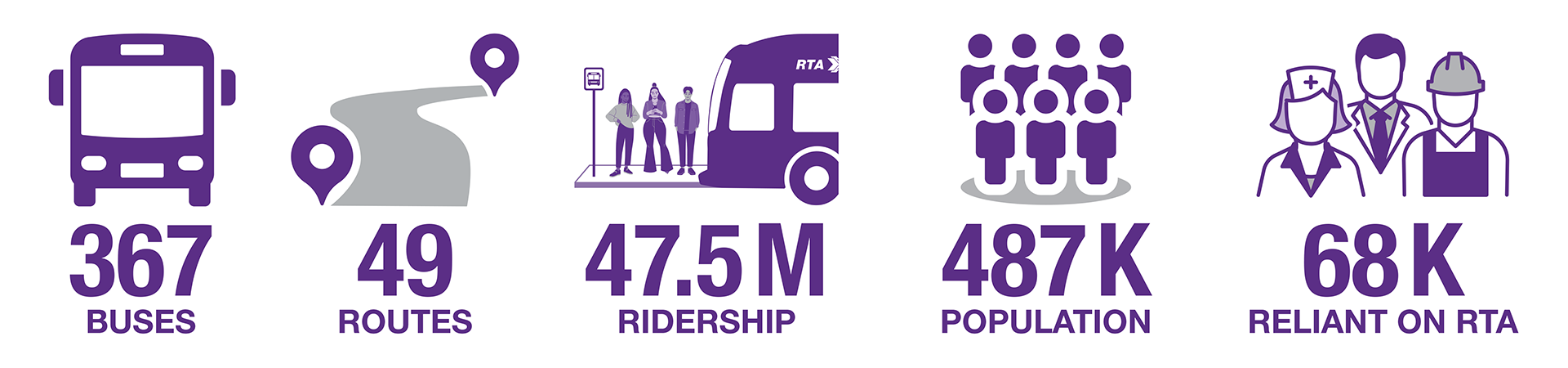
In 1979, the RTA was founded as a public agency under the guidance of its Board of Commissioners to manage the city’s buses, historic streetcars, and its Americans with Disabilities Act (ADA)-mandated LIFT paratransit service.
POST KATRINA
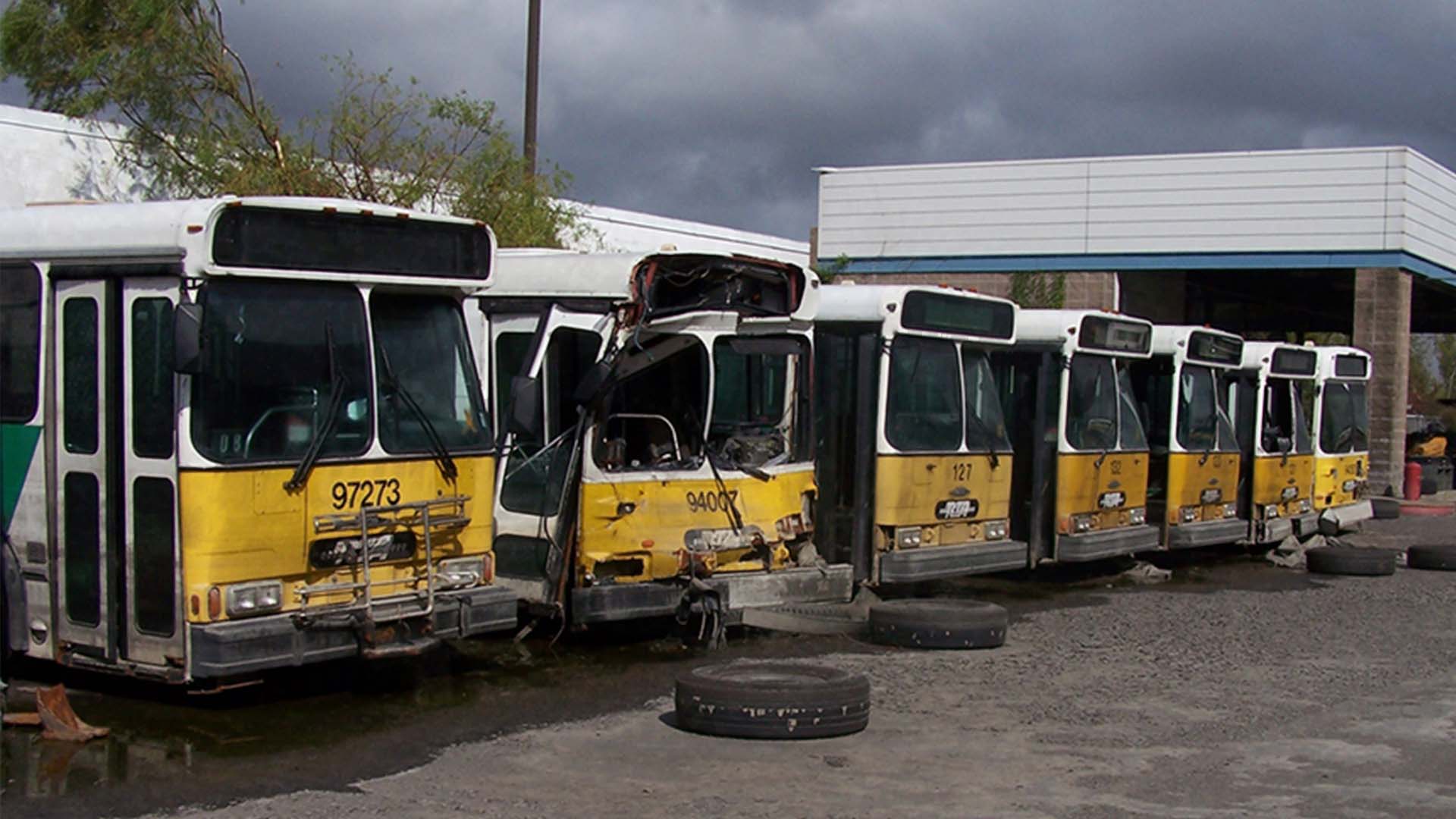
In 2005, Hurricane Katrina devastated New Orleans and crippled the city’s transit system. In 2007, the RTA Board handed the reins to a private management company to stabilize operations. But under this structure, recovery was never meant to be the finish line. As the city regained its footing, residents demanded more than a return to service. They called for vision, investment, and accountability.
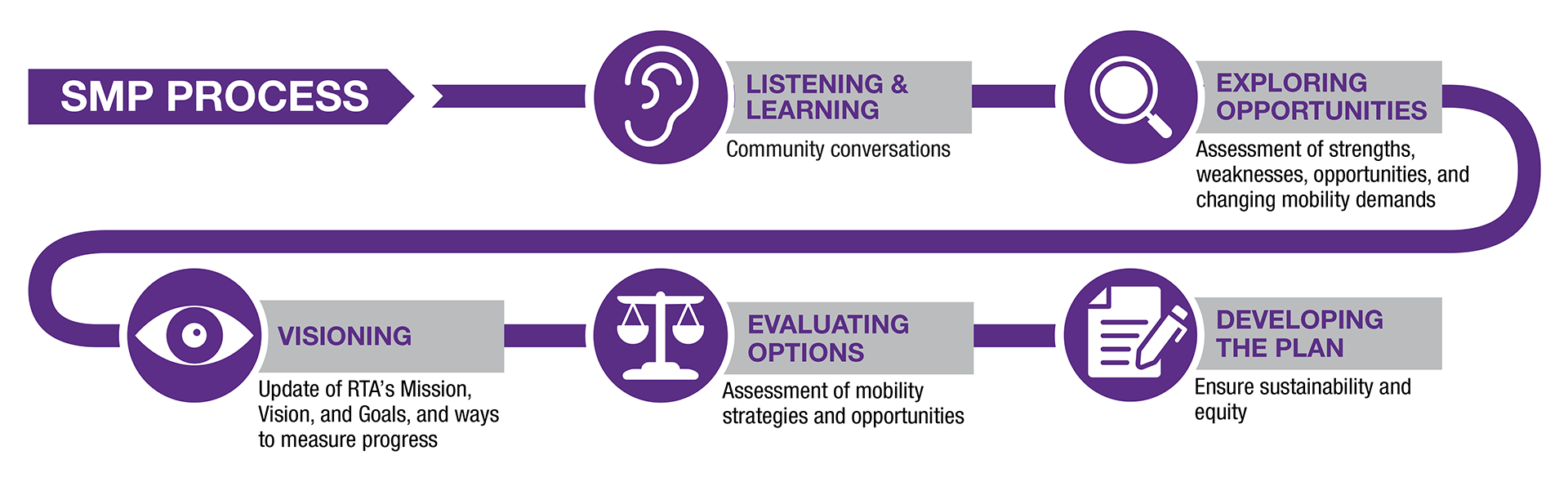
In 2017, the RTA began re-envisioning the agency’s future. In 2018, the Board of Commissioners adopted the Strategic Mobility Plan (SMP) to guide that direction.
SMP PRIORITIES
- Improved access to destinations and reliability of existing transit service
- Fast, frequent service on major corridors
- Stronger regional connections
- Improved public perception of transit and better information sharing
- Greater accessibility, more late-night service
Present
In 2019, the RTA Board acted on the findings of an independent management study by appointing its first public CEO and hiring 75 staff to oversee the private management contract, marking a decisive shift toward stronger accountability. In 2020, the agency completed its transition to a fully public workforce by directly hiring approximately 800 employees, ushering in a new era focused on rebuilding trust and strengthening operations. Today, RTA’s renewed commitment to the rider experience and community engagement continues to deepen its connection to the neighborhoods it serves while also supporting the city’s economic future.
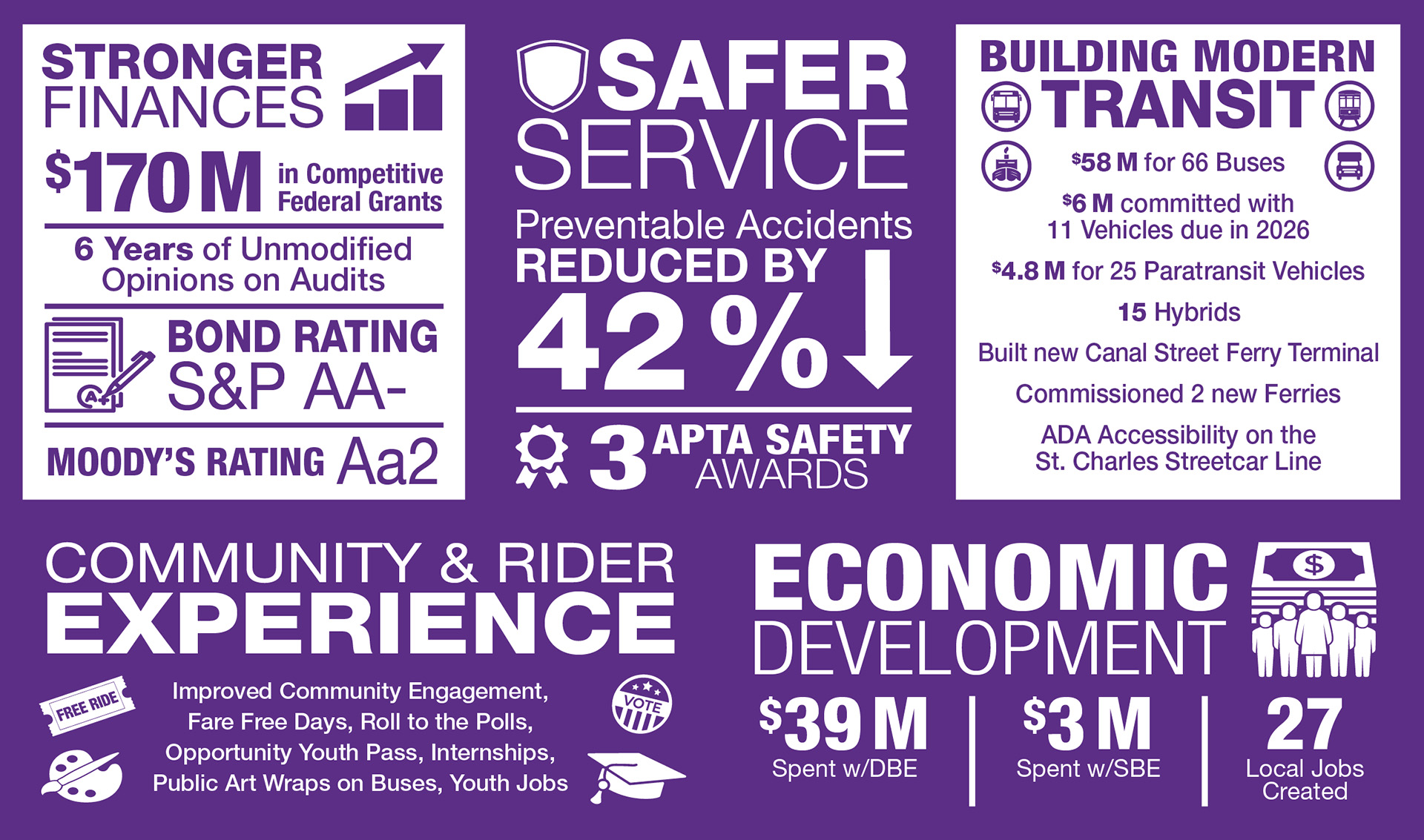
A Smarter, more streamlined RTA
- Local management and decision making, accountability with checks and balances, safer operations, and service rooted in the culture of New Orleans
- 27 new local jobs created to bring back-office operations in-house, strengthening the local economy through job creation, competitive wages for New Orleanians, and contributions to the city’s tax base
- New Links Network Redesign overhauled the bus system to improve access to jobs, education, and health care while underscoring RTA’s commitment to stronger regional connectivity
- Core systems and work processes improved
- Capital plan launched, with ingenuity and fiscal responsibility, to replace aging fleets, upgrade facilities, and improve rider experience
- Modernized service with new buses, hybrid, and paratransit vehicles, two new ferries, the Canal Street Ferry Terminal, and accessibility upgrades along the St. Charles streetcar line
Under public control, the RTA is focused on delivering reliable service, safer rides, and stronger stewardship of every public dollar. Next, the agency will push further by expanding safety, sustainability, accessibility, and comfort systemwide to deliver smarter, more dependable transit for every rider.
Future
The RTA is reshaping what transit can be. Innovative capital projects and long-term planning are creating a more connected city. Investments in fleets, infrastructure, access, and rider experience ensure every step is designed for the New Orleans of tomorrow.
With an emphasis on execution, transparency, and authentic community engagement, the RTA is doing more than moving people; it is shaping the rhythm of a city that moves to its own beat. How New Orleans Rolls tomorrow depends on what is built today: a system that is visionary, inclusive, and ready to carry the dreams of a city in motion.
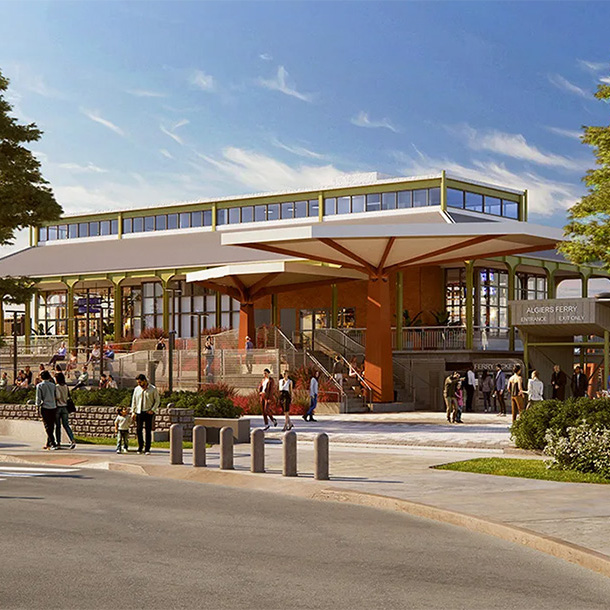
Algiers Ferry Terminal Renovation
Modernize terminal & maintenance; add marine offices and public space.
Target: Q4 2026
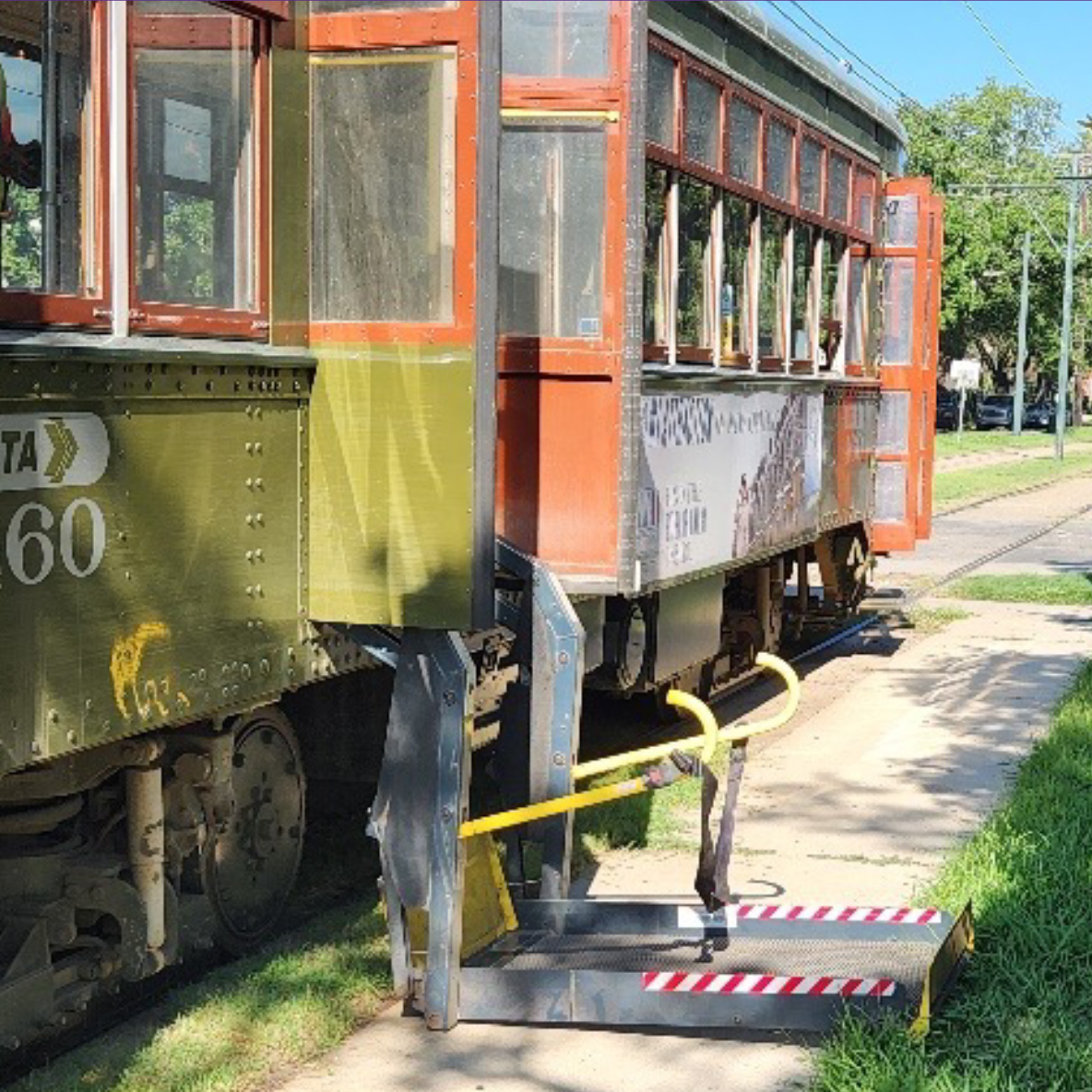
Streetcar System Modernization Study
30-year roadmap for safety, accessibility, reliability, and heritage.
Target: Q4 2026
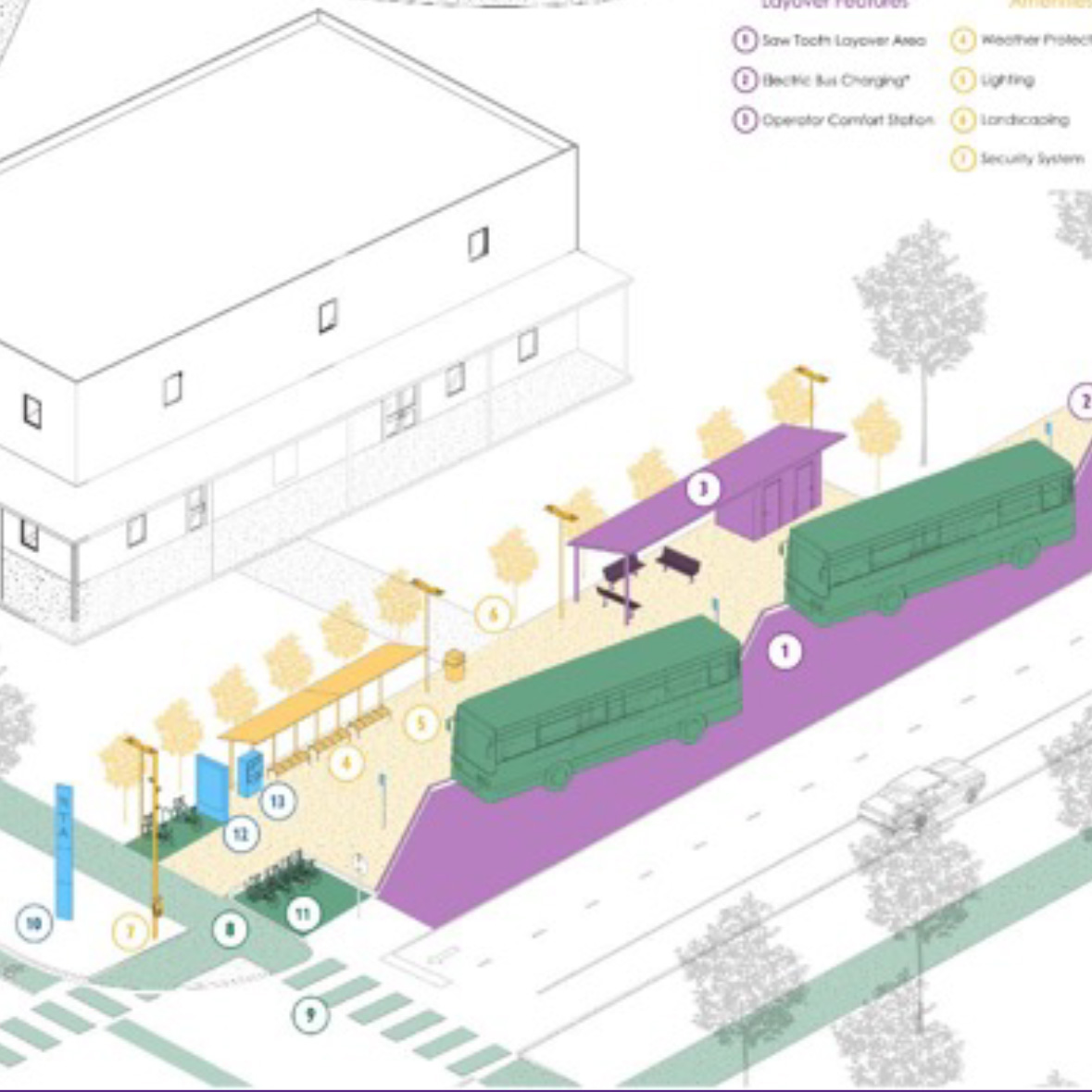
Passenger Transfer Hubs Expansion
6 sites; standardized features.
Target: Three (3) sites completed by Q4 2027; securing additional funding for remaining sites
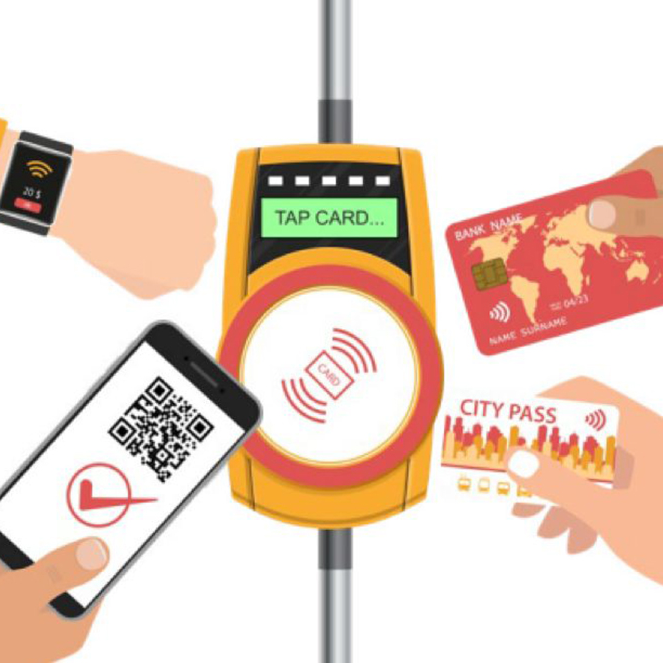
Fare Tech Modernization
Rechargeable tap cards and easy pay.
Target: Q4 2027
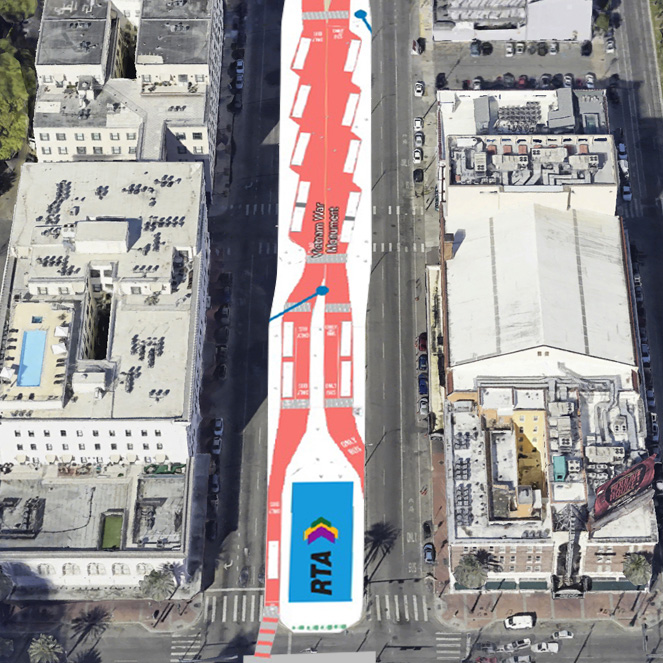
Downtown Transit Center
Flagship, truly multimodal.
Target: Q4 2028
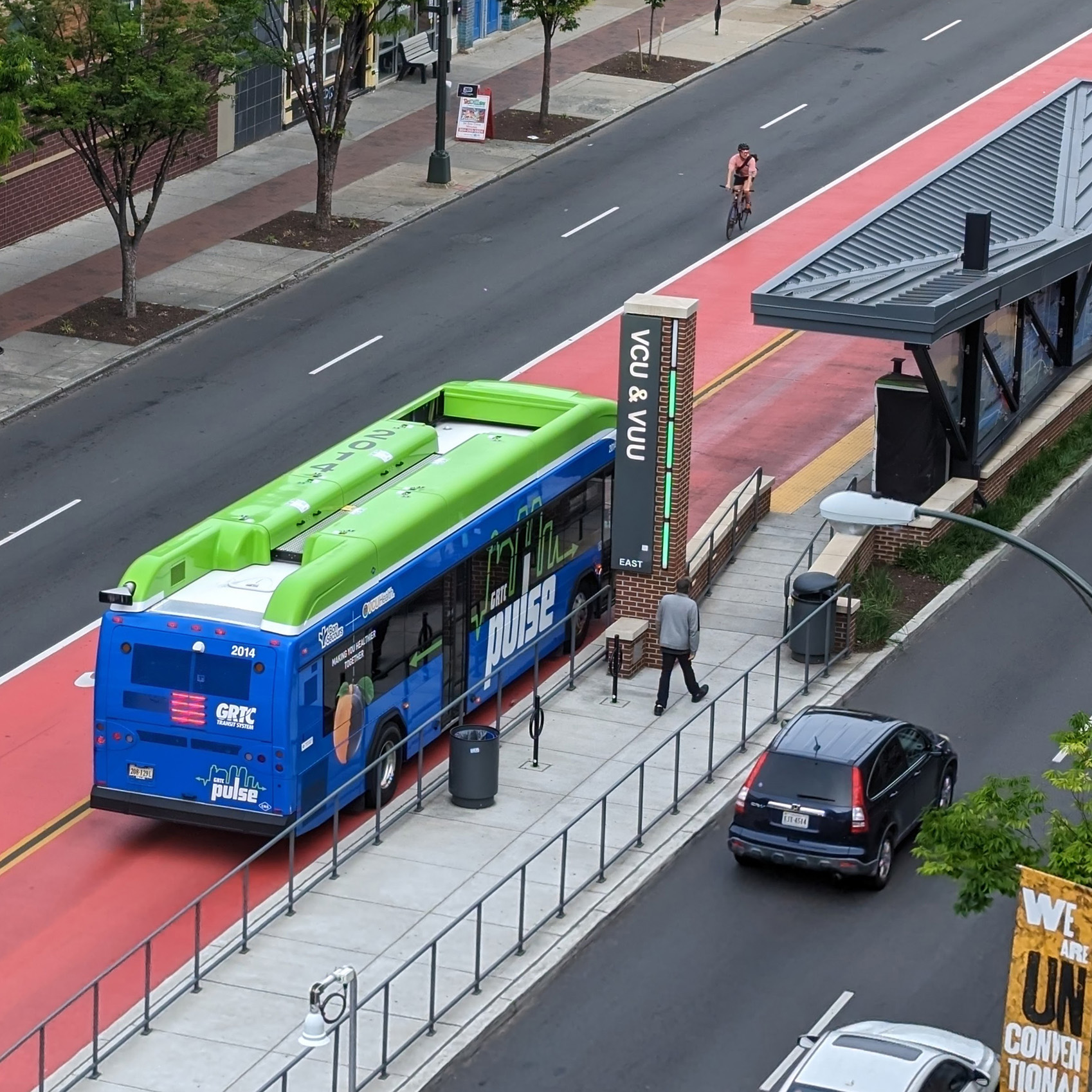
BRT: East-West Bank Corridor
East–West Bank Corridor (14.8 mi) — Connect N.O. East & Algiers via downtown, Tremé, 7th Ward, Gentilly
Target: Q4 2030

© Regional Transit Authority